

Spending more time outdoors can be one of the simplest ways to add adventure, movement, and variety to everyday life. You don’t need to climb a mountain, buy expensive equipment, or travel to a remote wilderness area to get started. Outdoor adventure can be as simple as walking a local nature trail, spending an afternoon kayaking, taking your first camping trip, or exploring a nearby state park.
For beginners, the key is to start small, choose activities that match your interests and abilities, and prepare for the conditions you’re likely to encounter. This guide covers the basics—from choosing your first outdoor activity to packing essential gear and staying safe.
Choose an Outdoor Activity That Fits You
There is no single “best” outdoor activity for beginners. The right choice depends on what you enjoy, your fitness level, the places available near you, and how much time you want to spend outside.
Hiking is one of the easiest places to start. You can choose anything from a short, mostly flat nature trail to a longer hike with hills and scenic viewpoints. Many local, state, and national parks have clearly marked beginner trails.
Camping is a good option if you want a longer break from your usual routine. Beginners may feel more comfortable starting at an established campground with restrooms, drinking water, designated campsites, and easy vehicle access rather than heading immediately into the backcountry.
Cycling can be another approachable activity, especially on paved greenways and dedicated bike paths. If you enjoy being around water, consider beginner-friendly kayaking, canoeing, or paddleboarding in calm conditions.
You can also try birdwatching, fishing, nature photography, geocaching, or simply walking through local parks. Outdoor adventure doesn’t have to be extreme to be rewarding.
Start with Essential Gear, Not Everything
One of the biggest mistakes beginners can make is assuming they need a closet full of specialized outdoor equipment before they can begin. In reality, your gear needs depend heavily on your chosen activity.
For a short hike, your essentials might include comfortable footwear, weather-appropriate clothing, water, snacks, sun protection, a basic first-aid kit, and a phone or navigation tool.
When choosing clothing, think in terms of changing conditions. Layers are useful because they allow you to add or remove clothing as temperatures change. A lightweight rain jacket can also be valuable when the forecast is uncertain.
Footwear deserves special attention. You don’t necessarily need heavy hiking boots for an easy, well-maintained trail. Comfortable walking shoes or trail shoes with good traction may be enough. More demanding terrain, however, can require sturdier footwear.
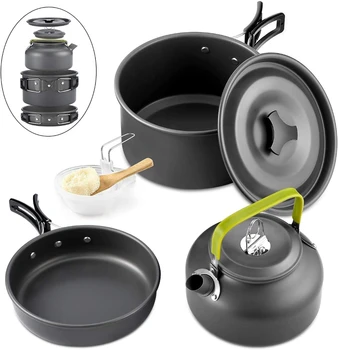
For camping, your list becomes longer and may include a tent, sleeping bag, sleeping pad, lighting, cooking equipment, food, water, and additional clothing.
Before buying expensive equipment, consider borrowing or renting gear. This gives you an opportunity to discover what you actually enjoy before investing heavily in a new hobby.
Make Safety Part of the Adventure
Outdoor activities come with risks, but basic preparation can reduce many of them.
Before leaving, check the weather forecast and research your destination. Understand the trail distance, expected difficulty, elevation changes, local rules, and any known hazards. Remember that a two-mile walk on flat pavement can feel very different from a two-mile hike over steep or rocky terrain.
Tell someone where you are going and approximately when you expect to return, particularly if you will be hiking or exploring alone.
Navigation is another important consideration. Phones are useful, but batteries can die and cellular service may disappear in remote areas. Downloading an offline map before leaving can help, and carrying a physical map may be appropriate for longer or more isolated trips.
Bring enough water and pay attention to temperature, sun exposure, and your energy level. Turning around early because you’re tired, uncomfortable, or uncertain is a sensible decision—not a failed adventure.
Wildlife safety also varies by location. Learn what animals, insects, and poisonous plants are common in the area you’re visiting and follow local guidance about food storage and wildlife encounters.
Pick Beginner-Friendly Destinations
Your first adventure doesn’t need to take you deep into the wilderness.
Start with places that offer easy access, clear signage, and established facilities. Local parks, nature centers, paved greenways, popular hiking trails, developed campgrounds, and state parks are excellent possibilities.
Look for shorter routes with clearly stated distances and difficulty ratings. A one- or two-hour outing can teach you plenty about your footwear, clothing, water needs, navigation skills, and comfort level without committing you to an all-day expedition.
Going with an experienced friend can also make your first few trips easier. Local hiking, cycling, paddling, and outdoor recreation groups sometimes organize beginner-friendly outings where you can learn from people with more experience.
Respect the Places You Explore
Being outdoors also comes with a responsibility to protect the environment.
Stay on established trails where required, properly dispose of trash, respect wildlife, follow fire restrictions, and avoid damaging plants or natural features. If you’re camping or picnicking, leave the area as clean—or cleaner—than you found it.
Also pay attention to local regulations. Some locations require permits, restrict pets, prohibit fires during dry conditions, or have seasonal closures. A few minutes of research before your trip can prevent unnecessary problems.
Build Confidence One Adventure at a Time
You don’t have to become an expert before you start enjoying the outdoors. Experience develops gradually.
Begin with a short walk on a local trail. Next time, explore somewhere slightly farther away. Try a half-day hike, rent a kayak, spend a night at a developed campground, or join a guided beginner outing. As your confidence increases, you can gradually tackle longer distances and more challenging environments.
Keep track of what you learn along the way. Did you bring too much food but not enough water? Were your shoes comfortable? Did temperatures drop faster than expected? Small lessons from easy outings can become valuable knowledge when you eventually attempt bigger adventures.
Most importantly, don’t measure outdoor adventure by how difficult or impressive an activity sounds. The goal is to find ways of spending time outside that you genuinely enjoy.
Your first adventure doesn’t need to be epic. It simply needs to get you out the door. Pack the basics, choose an approachable destination, prepare for the conditions, and start exploring. The more time you spend outdoors, the more naturally your skills—and your confidence—will grow.




0 Comments